


The USDA recently released updated dietary guidelines, and I’ve been asked more than a few times what I think about them. As a registered dietitian and founder of Aloha Nutrition, I wanted to share a more thoughtful, nuanced perspective—because while I agree with many of their priorities, there are also parts that deserve a closer look.
What I Do Agree With
First, let’s start with the positives.
I genuinely appreciate the continued emphasis on nutrient-dense, whole foods. While this isn’t a new recommendation, it’s still an important one. Encouraging people to eat more real, minimally processed foods is something I’ve always supported, and I’m glad that message remains central.
I also strongly support the USDA’s increased focus on metabolic health and balanced blood sugar. These are foundational to energy, hormone health, fertility, mental health, and overall well-being—and they deserve more attention.
The Food Pyramid: Where I Start to Push Back
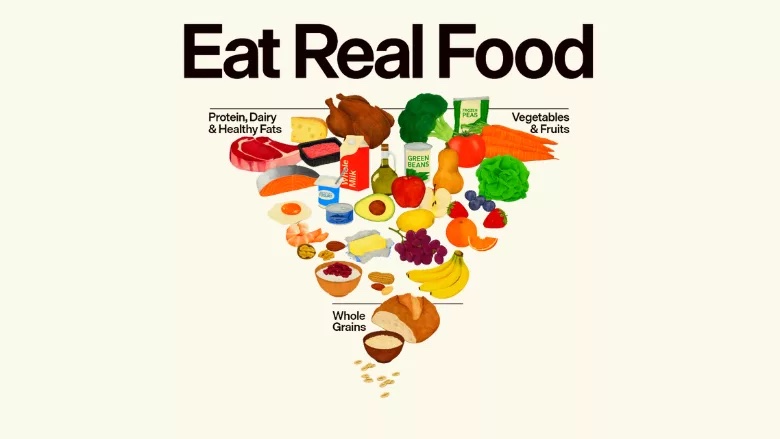
Where I begin to disagree is with the new food pyramid.
I firmly believe that all foods can fit into a balanced diet, and I’m not a fan of ranking foods in a hierarchy where some are labeled as “better” or more “superior” than others. Nutrition is far more nuanced than that.
While I do agree that many people would benefit from eating more protein, that doesn’t mean animal products need to be elevated above all other foods. Protein exists in many forms—including plant-based sources—and those deserve equal representation.
Why Accessibility Matters (A Lot)
One of my biggest concerns with the pyramid—and the strong push toward higher-quality animal products—is accessibility.
For many individuals and families, especially those:
- navigating financial stress,
- living in food deserts,
- feeding multiple children,
- or choosing to eat little or no meat,
this messaging can feel unrealistic or even discouraging.
Foods like beans, lentils, chickpeas, and canned proteins such as tuna and sardines are affordable, accessible, nutrient-dense sources of protein. They are staples for many households—and for good reason. Yet, these foods are not clearly reflected or emphasized in the new pyramid.
Nutrition guidance should support people where they are—not unintentionally exclude them.
Why Accessibility in Nutrition Guidelines Matters to Me
Earlier in my career, I worked at WIC (Women, Infants, and Children), supporting low-income families during pregnancy and early childhood. I saw firsthand how budget, food access, and availability shape nutrition choices.
Many families relied on affordable, shelf-stable staples like beans, lentils, canned tuna and sardines, eggs, peanut butter, frozen vegetables, and whole grains. These foods aren’t inferior—they’re nutrient-dense, practical sources of protein and energy that make balanced eating possible.
That experience is why I’m especially sensitive to nutrition guidelines that emphasize higher-quality animal products without clearly highlighting accessible protein options. For families facing financial constraints or living in food deserts, that messaging can feel unrealistic.
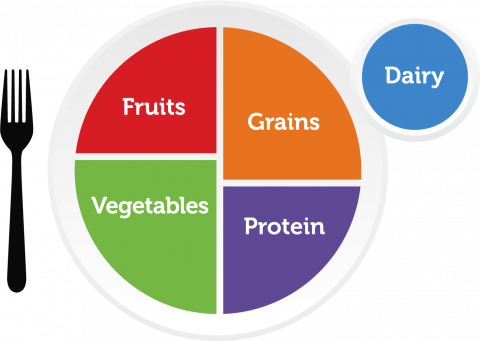
This is also why I preferred the MyPlate model. It focused on food groups rather than specific foods, allowing flexibility within protein, vegetable, and grain categories based on budget, culture, and access—without sacrificing balance.
Nutrition guidance should meet people where they are. Flexible, accessible recommendations support far more people than rigid food hierarchies.
Why I Preferred the MyPlate Model
This is exactly why I preferred the MyPlate diagram.
MyPlate focused on categories—protein, vegetables, fruits, grains, and fats—without prescribing which foods must be chosen within each category. It allowed for flexibility, cultural diversity, financial realities, and personal preferences.
Beans, lentils, eggs, tofu, canned fish, meat, dairy, or plant-based alternatives could all fit into the protein category. Families had the freedom to choose what worked best for their budget, access, and lifestyle—while still building a balanced plate.
In my opinion, that kind of flexibility is essential for sustainable nutrition.
A Win Worth Celebrating: Updated Protein Needs
One update I absolutely love?
👉🏼 The protein RDA was increased from 0.8 g/kg to 1.2–1.6 g/kg
This is a big step forward and much more aligned with what we see clinically—especially when it comes to energy levels, blood sugar regulation, muscle maintenance, and metabolic health. For many people, this change validates what they’ve already been feeling: they simply weren’t eating enough protein to support their bodies.
The Bottom Line
I’m fully on board with the USDA’s emphasis on:
- whole foods,
- metabolic health,
- balanced blood sugar,
- and higher protein needs.
I just don’t believe we need a food hierarchy to get there.
Nutrition should feel supportive, realistic, and adaptable—not rigid, shame-driven, or inaccessible. A framework that encourages balance while honoring different budgets, cultures, and lifestyles is far more effective than one that ranks foods and leaves little room for flexibility.
At the end of the day, the “best” diet is one that people can actually sustain—and that means meeting people where they are.
Interested in Personalized Support?
If you’re looking to build a more balanced, sustainable way of eating—whether your goals include weight loss, improving energy, or addressing symptoms like bloating, food sensitivities, PCOS, chronic fatigue, eczema, or hormone imbalances—we’d love to support you.
Our 1:1 Functional Nutrition Program focuses on understanding your body, your lifestyle, and your unique needs so you can make progress without rigid rules or one-size-fits-all plans.
👉🏼 Apply Here to learn more and see if working together is the right fit for you.