


Giving birth brings about some incredible changes in the body. For example, there are countless of good gut bacteria that live within your gut that have the potential to impact everything from your energy levels to your ability to poop.
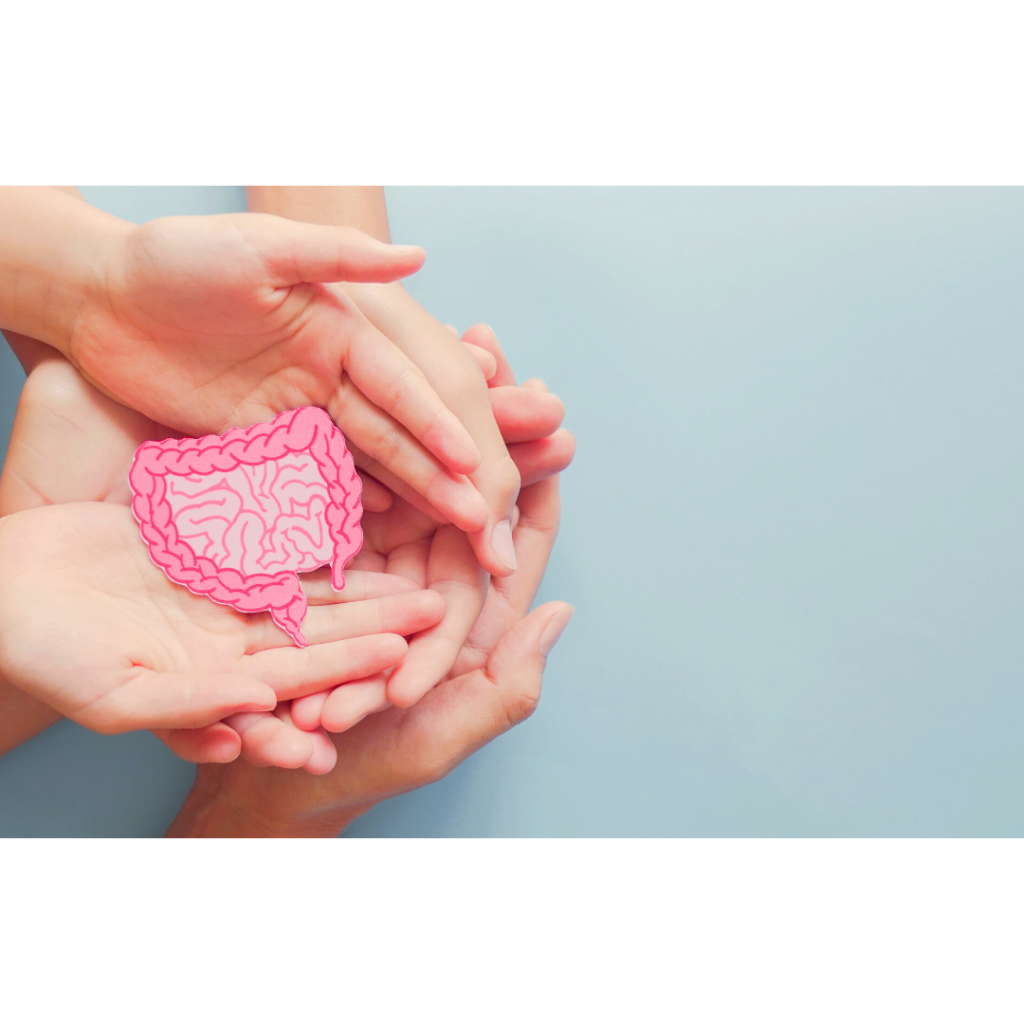
The amounts and types of these bacteria–collectively called the gut microbiota–can be changed quite a bit during and after the process of giving birth. Taking extra care of the bacteria in your gut is one way you can improve your energy, digestion, mood, and overall health. We want to help you understand your gut health and how to improve it so that you can unlock these benefits.
What Does the Gut Microbiota Do?
Your gut microbiota is filled with many different types of bacteria. Some of these bacteria are beneficial to our bodies, while others are harmful and work against our bodies. When your gut is filled with a diverse range of the “good” gut bacteria, it prevents the harmful bacteria species from taking over. Good gut bacteria have the potential to fight off these harmful bacteria and train your immune system to recognize and fight them off as well.
I like to give the analogy of a garden. A garden is filled with both flowers (good gut bacteria), and weeds (bad gut bacteria). We want to flourish our garden with flowers, and prevent the weeds from overgrowing and negatively impacting our garden.
Taking care of this garden is just as important. We need to provide fertilizer and sunlight and water for the flowers to grow (quality fiber rich food in our diet).
The good gut bacteria also play an important role in digestion. These bacteria can break down foods for you and increase your body’s ability to absorb them, so you can get more of the nutrients out of the food you eat. They are also capable of making vitamins and minerals that your body can use, helping prevent nutrient deficiencies. So taking care of your gut can do huge things for your health!
There’s also a big connection between our mental health and our gut health called the “Gut-Brain Connection”. Supporting our gut can support our mental health and vice versa, supporting our mental health and support our gut health. It’s a two way street.
Birth & the Gut
Giving birth puts the body under a lot of stress, which isn’t necessarily a bad thing, but that stress can cause major changes in the gut microbiota.
C-section & Antibiotics
There might be several reasons during the birthing process that you would be given antibiotics, especially if you have a C-section. While antibiotics can be incredibly important for keeping both you and your infant safe from infection, antibiotics are medications that can kill both the bad and the good bacteria within your gut. When the good bacteria are killed, this can allow harmful bacteria to eventually take over.
Postpartum Stress
As I mentioned above, the gut and the brain are deeply connected through the “gut-brain axis.” Therefore, the bacteria in the gut respond to changes in the brain. The postpartum period can be filled with stress due to all the adjustments of life with a newborn, like a lack of sleep and difficulties with breastfeeding, adjusting to a baby, returning to work, recovering from birth complications etc. Lack of sleep specifically is associated with less diversity in the gut bacteria (allowing the harmful bacteria to take over). I know we can’t always control the number of hours of sleep we get with a newborn, but we can support our quality sleep.
It can also be hard to nourish yourself when you have a newborn. What you eat plays a huge role in what bacteria are present in your gut microbiota.
Impacts of Imbalances
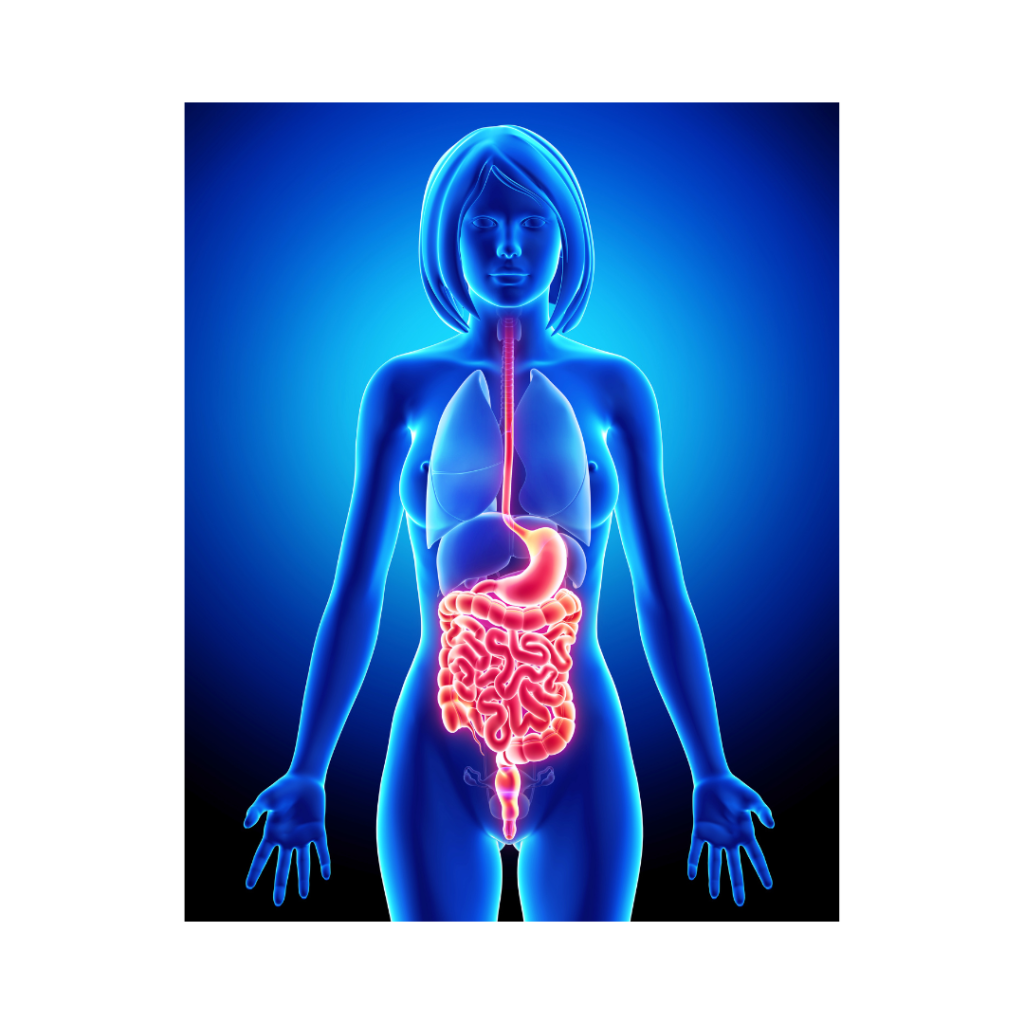
The bacteria in your gut are capable of interacting with the immune system, the nervous system, and the endocrine system, so imbalances in the gut can have wide-ranging impacts on the whole body.
Mood
As I said earlier, the gut and the brain are deeply connected, so imbalances in the gut can have a huge impact on your mood. While stress can cause imbalances in the gut, imbalances in the gut are also associated with stress. Additionally, imbalances in the gut can contribute to various mental health disorders, including postpartum depression and anxiety.
Fatigue
Because the gut microbiota is so important in digestion and metabolism, imbalances in the gut can lead to feeling fatigued and tired all the time. Your body needs the nutrients that the good bacteria help absorb in order to get the most out of the food you eat and then produce energy from it. Additionally, when there isn’t enough good bacteria to protect from the harmful bacteria, your body might react with increased inflammation to fight off the harmful bacteria. Inflammation can also lead to you feeling fatigued.
Hormones
Bacteria in the gut can produce byproducts that are important in regulating your hormones. Imbalances in the gut can therefore cause changes in your levels of hormones like estrogen, which is an important component of reproductive health, regulation of body fat, and maintaining brain function. Any symptoms of hormonal imbalances like these may stem from imbalances in the gut.
Physical Symptoms
Because the bacteria in the gut help with digestion in many important ways, imbalances in the gut can lead to many different painful symptoms. Digestive issues like diarrhea, constipation, gas, and bloating are usually linked to imbalances in the gut. This can also play a key role in inflammatory bowel diseases like ulcerative colitis and Crohn’s disease. If there isn’t enough good, protective bacteria in the gut, you may also be more susceptible to bacterial infections.
How to Heal Your Gut
Thankfully, there are several things you can do to heal your gut and increase the amount of good bacteria! And many of them start with the food that you eat.
Probiotics
Probiotic foods are foods that contain live bacteria that are good for the gut. With the garden analogy, probiotics are the flowers that you plant.
Implementing more fermented foods is a great way to get these probiotics in. Fermented foods include yogurt, kefir, cottage cheese, kombucha, pickles and pickle juice, miso soup, sauerkraut, and kimchi.
Generally, increasing probiotics from foods in your diet will be enough. But there are some circumstances, like the use of certain antibiotics, that might require you to include a probiotic supplement. You might want to check with a healthcare provider to find the kind of probiotic thatis right for you, but two great things to look for in a probiotic are bacteria of the Lactobacillus genus and bacteria of the Bifidobacterium genus.
Prebiotics
Prebiotic foods are foods that your body itself cannot break down. Instead, these foods feed the gut bacteria and allow them to thrive in all their protective roles. In the garden analogy, prebiotics are the fertilizer, sunshine, and water that helps nourish the flowers.
Prebiotic foods include fiber and resistant starches. Fiber can be found in fruits, vegetables, whole grains, beans, and legumes. Resistant starches come from foods that are generally described as “starchy,” like potatoes, pasta, breads that have been cooked then cooled. Cooking then cooling these foods, converts the starches into a “resistant starch” via a process called “restrogradation”, which make them resistant to digestion and instead feed the good bacteria.
Other resistant starches include beans, plantains, green bananas, potato flour etc.
Probiotics and prebiotics work together, so truly healing your gut requires both of these things. Without prebiotics to feed them, probiotics can’t survive.
Healthy Fats
Inflammation in your gut can make the environment really difficult for healthy gut bacteria to live in. Including anti-inflammatory foods in your diet could also help you heal your gut. Healthy fats, such as fish, nuts, avocados and plant oils, are great anti-inflammatory foods.
Managing Stress
Ultimately, to really heal your gut, it is important to manage your stress levels as well. Life with a newborn can be undeniably stressful, so trying to implement some of these stress management strategies one or a few at a time can go really far in helping you heal your gut:
● Turning off screens an hour before going to bed and doing something relaxing such as reading a book or coloring/painting/drawing instead
● Going for a morning walk
● Sitting down to eat a meal with no distractions
● Taking a few moments to just breathe throughout the day
● Doing an adult coloring book
● Listening to an audio book or podcast while you’re feeding your baby or naptrapped
In conclusion,
There are many things that impact our gut health and some are out of our control – emergency c-sections, the need for antibiotics, so try to do the best that you can in supporting your gut via lifestyle and nutrition.
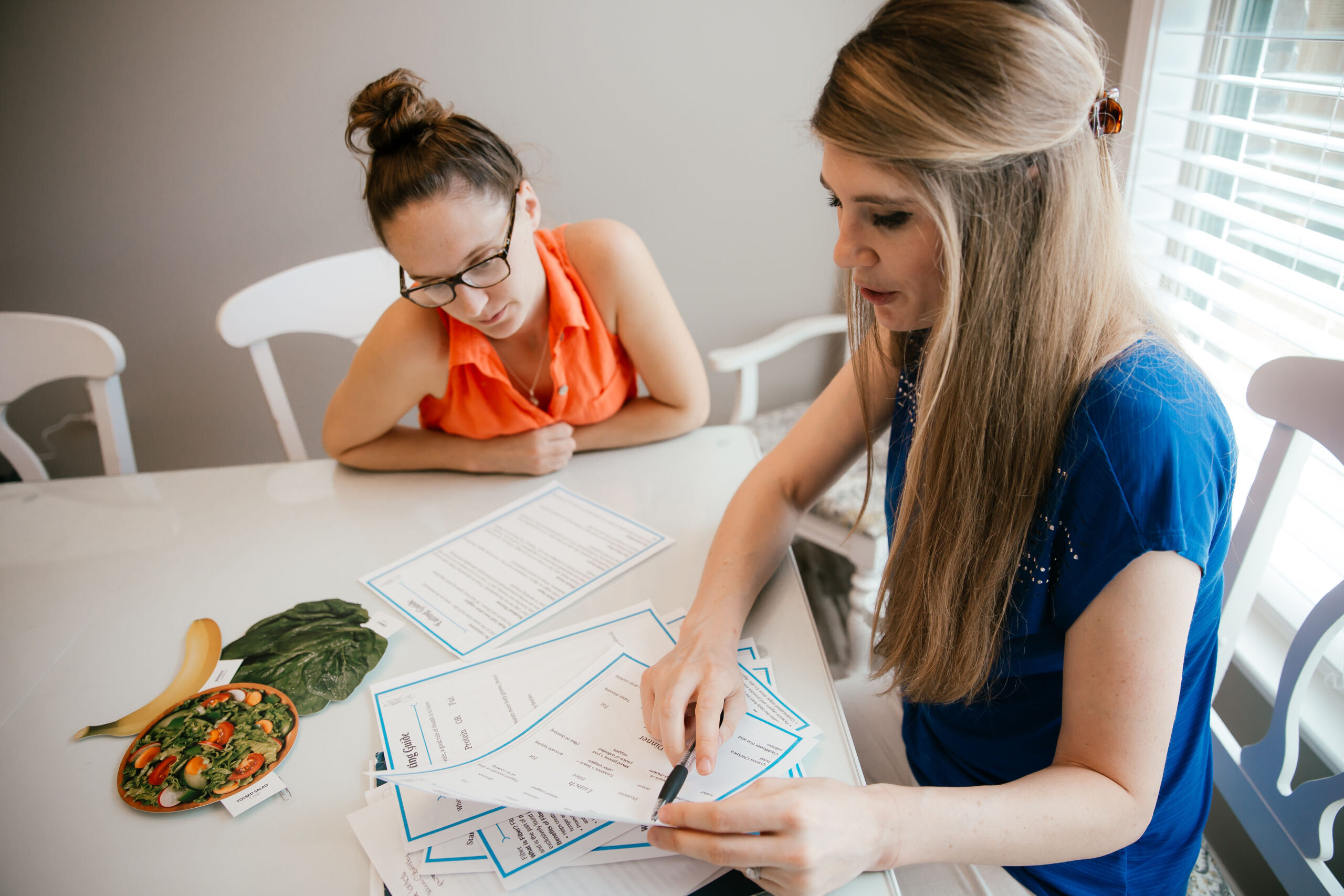
And if you’re experiencing a lot of digestive issues, fatigue, brain fog, hormonal concerns, then our team of Functional Registered Dietitians would love to help you dive deeper into your “root cause” and what might be affecting your symptoms. We run a series of functional labs to get a better understanding of your gut health, digestion, hormones, and mineral status to better
support you.
Click here to learn more and to book your free discovery call.