





If you’ve been feeling exhausted, dealing with energy crashes, struggling with mood swings, or even noticing changes in your milk supply—you might assume it’s just part of motherhood.
But what if insulin resistance and low milk supply are actually connected?
One of the most overlooked root causes of these symptoms is something called insulin resistance—a condition that affects blood sugar regulation and is becoming increasingly common. An analysis of NHANES data from 2021 found that 40% of US adults aged 18 to 44 are insulin-resistant!! 40%!
While it’s often associated with blood sugar or diabetes, insulin resistance can impact your energy, hormones, mental health, and even your ability to breastfeed.
👉 BTW: I dive deeper into how hormones like thyroid impact breastfeeding in [this blog post]
Let’s break down what insulin resistance is, how it affects your body, and what you can actually do about it.
What is insulin?
Insulin is a hormone that plays a vital role in regulating your blood sugar.
When you eat, your blood glucose (sugar) level rises. The pancreas starts to make insulin, which acts like a messenger telling your cells to take in glucose from the blood. When your cells listen to insulin messengers and take glucose in, they can then use the glucose for energy.
Your blood glucose levels help maintain your energy. Ideally, your blood glucose should stay relatively steady and constant throughout the day and the night.
When cells stop listening to insulin messengers and stop taking in glucose, however, your blood glucose can spike after meals and fluctuate throughout the day and the night. And because your cells can’t get enough glucose, they might not have enough energy for all of their normal functions. That’s insulin resistance.
Causes of Insulin Resistance
There are several things that can cause your cells to stop responding well to insulin. Many of your hormones interact with each other, so issues like high cortisol and low thyroid hormone levels can interfere with cells’ abilities to respond to insulin.
For example, the liver, which needs thyroid hormone to function, helps regulate blood glucose with the help of insulin.
Excess body fat, inactivity, and chronic stress are also associated with inflammation that can lead to insulin resistance.
How Insulin Resistance Impacts the Body
Fatigue
This is one of the most common insulin resistance symptoms, especially in women who feel like they’re doing everything right but still struggling with energy.
A steady supply of glucose into the cells is what allows your energy to remain steady throughout the day. When insulin resistance interferes with blood sugar regulation, fatigue often follows (your cells can’t get enough of that glucose/fuel to function optimally).
And this can show up in a few different ways like a daily “afternoon slump” around 3pm or your energy crashing after meals because of blood glucose changes.
Blood glucose fluctuations at night can tell the body to release cortisol, which is a stress hormone that would cause you to wake up, especially around 2-4am.
Sleep disruptions from insulin resistance can also contribute to fatigue throughout the day.
Mood and Mental Health
Insulin resistance impacts the intake of glucose by the brain. When the brain does not take in enough glucose, neurotransmitters like dopamine and serotonin can’t be created as effectively. These neurotransmitters are really important in regulating your mood.
Blood sugar fluctuations can lead to mood swings, which is especially common with insulin resistance.
These fluctuations might make you feel irritable or unmotivated. Sleep disruption caused by blood glucose fluctuations can also play a role.
Inflammation from insulin resistance can also damage brain tissue and disrupt brain signaling and pathways. This kind of damage is associated with increased risk for depression and anxiety.
So if you’re reading this and thinking, “this sounds like me”…
or you’re navigating breastfeeding and feeling confused about how to support your energy and supply…
The good news is, insulin resistance is incredibly responsive to nutrition and lifestyle changes.
You don’t need to overhaul your entire life overnight, but small, intentional shifts can make a big difference in your energy, mood, and overall health.
However, if left unmanaged, insulin resistance can lead to the development of type 2 diabetes. Here are several ways you can prevent and manage insulin resistance.

Breastfeeding & Blood Sugar Balance
How Insulin Resistance Impacts Low Milk Supply
This is where the connection between insulin resistance and low milk supply becomes really important to understand.
Blood sugar balance plays a critical role in breastfeeding, and this is why underlying insulin resistance can contribute to low milk supply.
Insulin resistance can impact your ability to produce breastmilk since breastfeeding requires glucose to operate efficiently.
As I mentioned earlier, many of the hormones in the body interact with one another, so issues with insulin can cause issues with the hormones involved in breastfeeding. These hormones are prolactin, which causes breastmilk production, and oxytocin, which stimulates the letdown of milk.
It also impacts the mammary gland cells themselves, preventing them from taking in glucose and therefore having energy for breastmilk production.
Not only does insulin resistance blunt the cells’ response to insulin, but it also blunts the cells’ response to other hormones like prolactin and oxytocin.
Then this generally puts stress on the body and can lead to inflammation, which damages breast tissue and harms milk production.
While insulin resistance can make breastfeeding more challenging, there’s also an important piece that often gets overlooked:
Does breastfeeding improve blood sugar regulation?
Yes! Breastfeeding itself can actually support blood sugar balance and improve insulin sensitivity.
Producing breastmilk is an energy-demanding process. In fact, breastfeeding can require up to 25–30% of your daily energy needs (the brain requires ~20%!). Because of this huge demand, your body is constantly utilizing glucose to produce milk, which can help improve how your body responds to insulin.
This means that for many women, breastfeeding can:
• Improve insulin sensitivity
• Support more stable blood sugar levels
• Help your body use glucose more efficiently
Which is one of the reasons why some women notice better blood sugar control while breastfeeding.
However, this also means your body needs adequate fuel—especially carbohydrates, protein, and minerals—to support both milk production and stable energy.
If you’re under-eating, skipping meals, or not properly fueling your body, it can actually work against both your blood sugar and your milk supply.
So while breastfeeding can be supportive for blood sugar, it’s only beneficial when your body has the nutrients it needs to keep up with the demand.
Nutrition and Insulin Resistance
Learning how to balance blood sugar naturally is one of the most powerful ways to support your energy, hormones, and long-term health.
Since insulin resistance most heavily impacts the way the body uses glucose, or sugar, being intentional about how you eat carbohydrates can have a big impact.
I am not suggesting that you eliminate carbohydrates from your diet. Carbohydrates are an important part of a balanced diet and they provide specific nutrients that your body needs.
However, there are several things you can do to keep your blood glucose from spiking when you eat carbohydrates.
Focus on Fiber
Your body digests fiber more slowly than other forms of carbohydrates. Incorporating sources of fiber, such as fruits and vegetables, beans, and whole grains, into each meal can slow down that blood glucose spike.
Have Protein with Each Meal
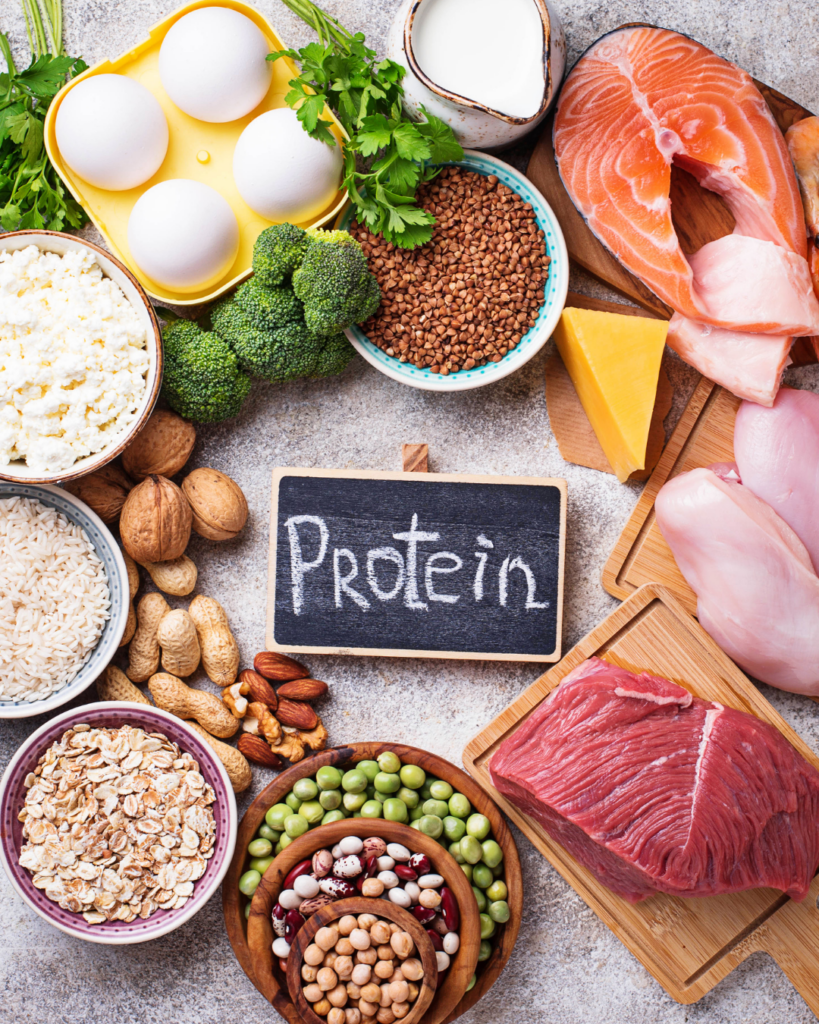
Protein sources, such as chicken, fish, beef, and beans/legumes, nuts/seeds, help increase satiety and maintain muscle mass. Muscle mass helps the body use glucose more efficiently. Aim for 20-30 grams of protein per meal.
Don’t Skip Out on Fats
Incorporating healthy fats with meals helps slow down your body’s absorption of carbohydrates and keeps your blood glucose stable. Some good sources of fats include avocados, olive oil, fatty fish, and nuts and seeds.
Balance!
Overall, eating a balanced diet with a variety of different foods from different food groups will help ensure that you are getting enough nutrients and keeping your blood glucose steady.

Movement for Insulin Resistance
Incorporating more movement throughout your day allows your body to start using the glucose you take in and supply it to your muscles. Moving after meals especially helps prevent the blood glucose spikes that might happen after meals. If you’re able to, going on a walk, even for just 10 minutes, after dinner can be a huge help. Or you could incorporate some fun movement by having a little family dance party after dinner!
Conclusion
At the end of the day, your body isn’t working against you—it’s communicating with you.
Symptoms like fatigue, mood swings, and even low milk supply aren’t random… they’re signals. If you’ve been struggling with fatigue, mood swings, or low milk supply, it’s worth exploring whether insulin resistance could be playing a role.
And insulin resistance is one of the most common but often overlooked reasons those signals show up.
Asking your doctor to run a “fasting insulin” test, can tell you a lot.
The goal isn’t restriction or perfection.
It’s supporting your body with the nutrients, balance, and consistency it needs to feel safe, energized, and regulated.
When your blood sugar is stable, everything else from your hormones to your energy to your mood can start to fall into place.
Need more support?
While these foundational steps can make a huge difference, sometimes your body needs a more personalized approach especially if symptoms have been lingering for a while.
We are here for you, offering one-on-one functional nutrition coaching! Together, we’ll uncover whether insulin resistance is contributing to your symptoms and use targeted lab testing to get real answers. You’ll walk away with a personalized plan to balance your blood sugar, support your milk supply, and finally feel like yourself again. Click here for more information!