


Let me start with this: I am not anti-formula.
There’s absolutely a time and place for formula. It can be lifesaving, empowering, and necessary for many families.
But what I am against is the promotion and glamorization of formula — especially without disclaimers — that misleads families and undermines breastfeeding. That’s why I am speaking out about formula marketing and how it is sabotaging breastfeeding.
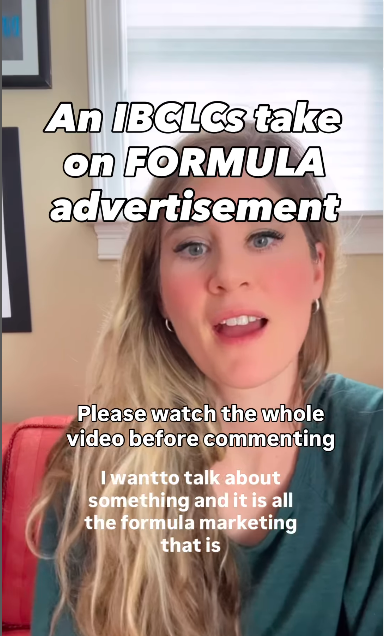
(Watch my full video on Instagram to hear my thoughts on this topic.)
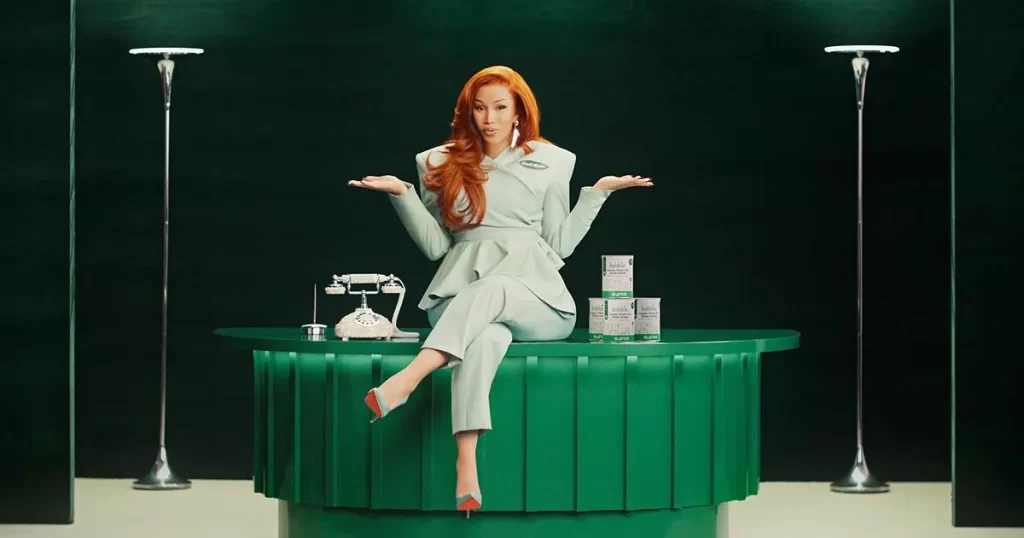
Recently, Bobbie Formula teamed up with Cardi B in a flashy marketing campaign that framed formula feeding as trendy, aspirational, and even superior. As a lactation consultant and dietitian who’s worked with thousands of moms, this kind of advertising breaks my heart — and it breaks the trust new moms have in their own bodies.
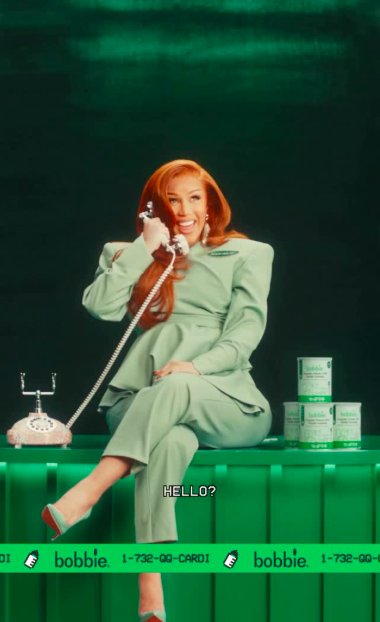
Formula Marketing Violates the WHO Code of Ethics
The World Health Organization (WHO) Code of Ethics on the marketing of breast-milk substitutes exists for a reason.
It explicitly prohibits the advertisement of formula directly to consumers, precisely because it preys on vulnerable families and interferes with breastfeeding success.
Yet, here we are — in a country where the formula industry is a $55 billion business, and where marketing budgets are prioritized over maternal health. America has made no effort to restrict these ads. Instead, we’re flooded with celebrity endorsements and influencer collabs.
The Hidden Cost of “Free” Samples
Let’s be real: formula is expensive — and part of the reason is the billions poured into advertising.
Those “free samples” that show up in hospital bags or your mailbox aren’t free at all. They’re part of a calculated business strategy.
Here’s how it works:
If a new mom doesn’t understand how breastfeeding supply and demand works, she might think, “Well, I’ll just give one bottle — it’s free anyway.”
That one bottle can reduce milk removal, leading to decreased supply. Then, baby needs more formula. Before long, the mom who wanted to breastfeed is now dependent on formula — and the company profits.
That’s not support. That’s sabotage.
Marketing Without Disclaimers = Misleading
Even medications come with disclaimers:
“May cause XYZ.” “Talk to your doctor before starting.”
So why don’t formula ads come with statements like:
“Breast milk is the biological norm.”
“Consult a lactation consultant before assuming low supply.”
“Formula is an alternative when breastfeeding isn’t possible or desired — not a replacement for education or support.”
I’m not saying remove formula from the shelves — I’m saying add transparency. Parents deserve truthful information, not emotional manipulation.
What Families Really Need: Support, Not Sales
If you’re doubting your milk supply because your breasts no longer feel engorged, or your baby is fussy and you suspect it’s your diet — please reach out.
These are often normal phases or adjustments that can be supported with guidance.
At Aloha Nutrition, our team of IBCLCs and dietitians helps families navigate the gray area — understanding when formula is helpful and when underlying issues (like latch, minerals, or diet) can be addressed to support milk production and maternal energy.
A Final Thought
I’m not against formula.
I’m against how it’s being marketed — glamorized, oversimplified, and sold to mothers who deserve informed choice, not influencer pressure.
Let’s stop spending billions on advertisements and free samples — and instead make formula more affordable for families who truly need it.
And let’s bring back the village that teaches, supports, and empowers mothers to trust their bodies again.
Struggling with breastfeeding? Book a consult here: https://www.aloha-nutrition.com/breastfeeding/
Have you noticed the rise in influencer-backed formula promotions lately?
I’d love to hear your thoughts below 👇