


Are GLP-1s safe for breastfeeding? GLP-1 medications are sparking all kinds of conversations right now, from weight management and diabetes treatment to reducing “food noise” like obsessive thoughts or cravings, and improving blood sugar regulation.
With so many different opinions circulating on social media and across the internet, you might be wondering: Are GLP-1 medications safe while breastfeeding? What about microdosing?
Let’s take a closer look at what we know so far.
What are GLP-1s?
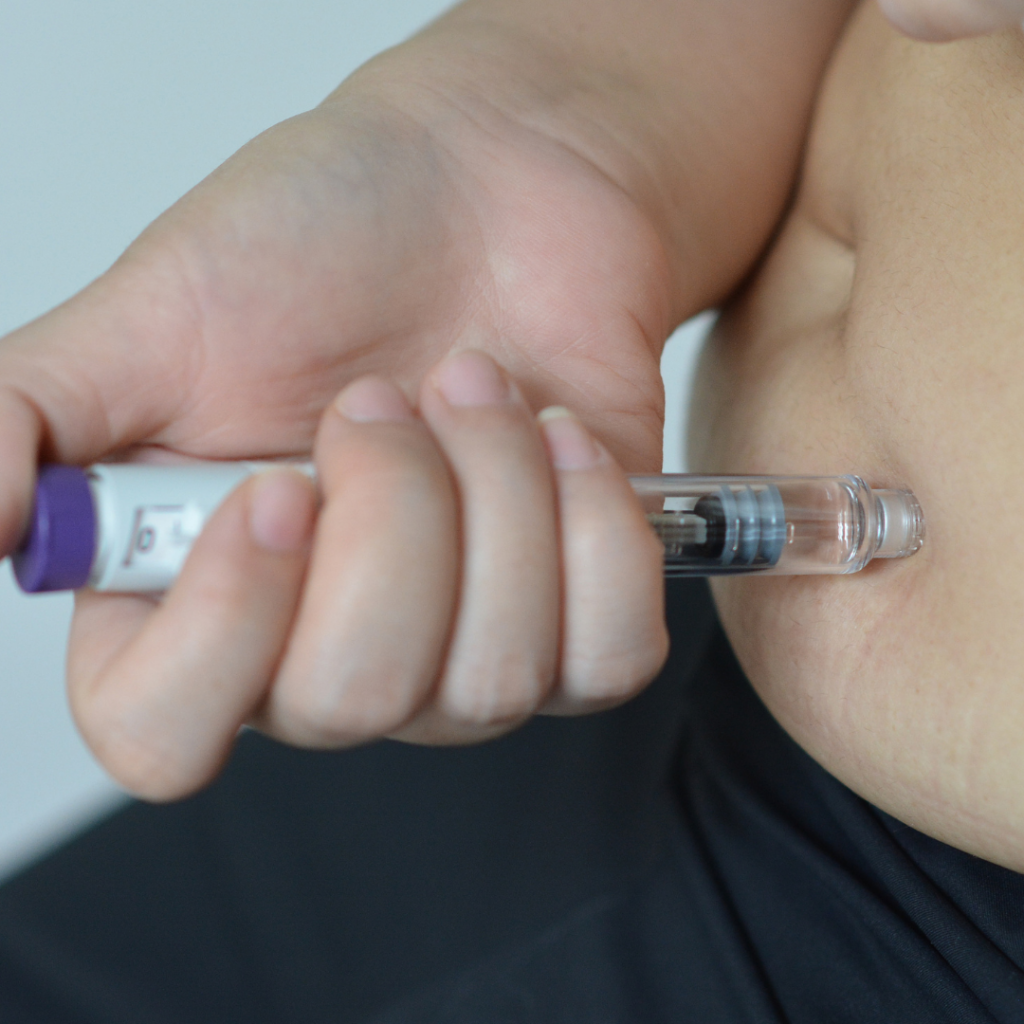
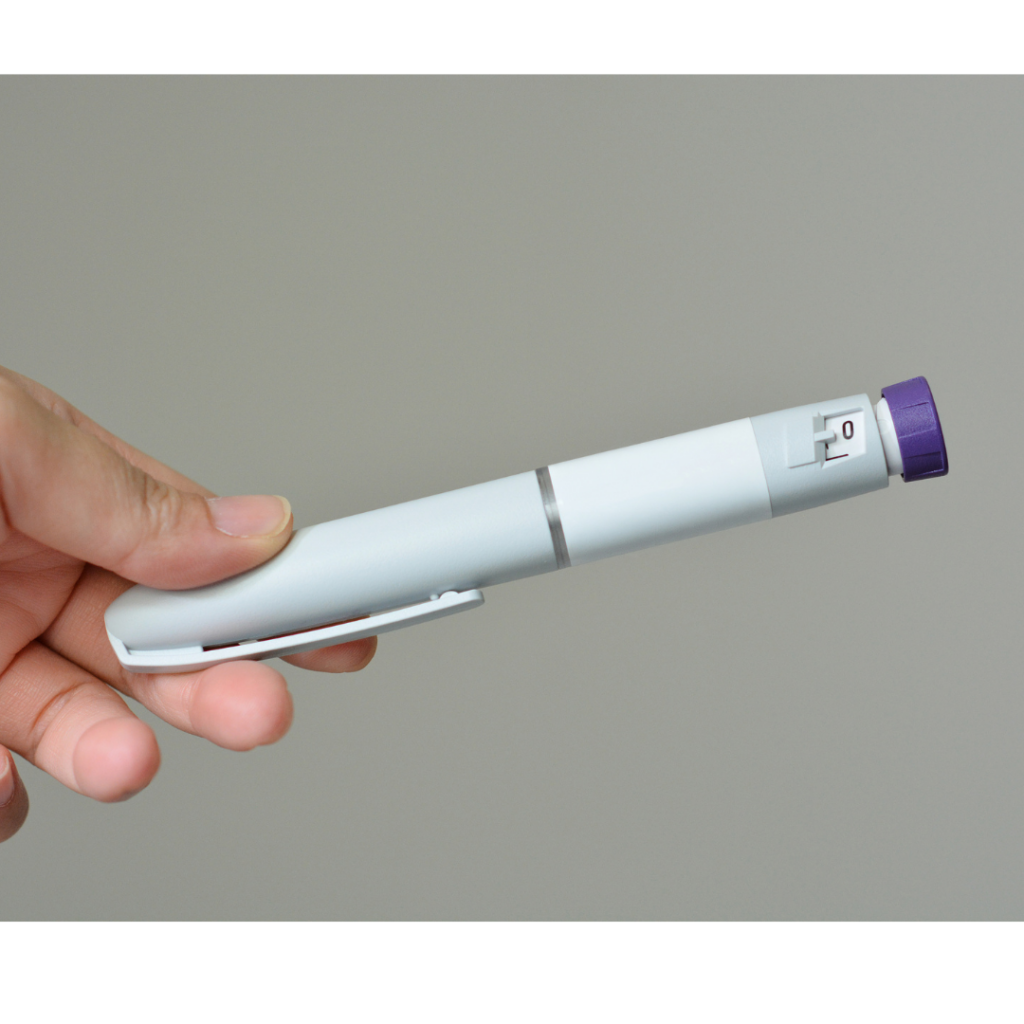
GLP-1 receptor agonists (commonly called GLP-1s) are medications used to help manage type 2 diabetes and obesity.
GLP-1 stands for glucagon-like peptide-1, a hormone naturally produced in the small intestine. This hormone plays several important roles in the body, including:
● Signaling the pancreas to release insulin, which helps move glucose from the bloodstream into cells
● Reducing the release of glucagon, a hormone that raises blood sugar levels
● Slowing digestion and delaying how quickly glucose enters the bloodstream
● Acting on the brain to promote feelings of fullness and satiety
GLP-1 medications work by mimicking this naturally occurring hormone.
Because of these effects, GLP-1s can help improve blood sugar regulation in individuals with type 2 diabetes while also supporting weight loss by decreasing appetite and increasing fullness.
Common Side Effects
Like any medication, GLP-1s can have side effects. The most common include:
● Nausea
● Vomiting
● Diarrhea
● Constipation
● Indigestion
● Headaches
● Dizziness
These symptoms are often more noticeable when first starting the medication or increasing the dosage.
GLP-1s and Breastfeeding

Research on GLP-1 medications during breastfeeding is still limited. However, the small amount of data currently available has been reassuring.
For example, semaglutide (Ozempic® and Wegovy®) is a relatively large molecule, making it unlikely to transfer into breast milk in significant amounts. Additionally, semaglutide is poorly absorbed orally, meaning that even if tiny amounts were present in breast milk, an infant would be unlikely to absorb much of the medication through their digestive system.
Interestingly, GLP-1 itself is naturally present in human breast milk, where it is thought to play a role in appetite regulation and feeding behaviors in infants.
While this information is encouraging, we still need larger studies to fully understand the safety of GLP-1 medications during lactation.
Practical Considerations During Breastfeeding
Even if the medication itself poses minimal risk to the infant, there are still important considerations for the breastfeeding parent.
GLP-1 medications often reduce appetite, which can lead to lower calorie intake and weight loss. During lactation, your body requires additional energy and nutrients to support milk production.
For some women, significant calorie restriction or rapid weight loss may negatively impact milk supply.
Professionally, I tend to be more cautious during the early postpartum period, particularly while milk supply is still being established. In my practice, I generally prefer waiting until around 6+ months postpartum, when babies are typically beginning complementary foods and breastfeeding patterns may be more established. However, this recommendation should always be individualized based on your medical history, breastfeeding goals, and guidance from your healthcare team.
I also worry that with the reduced food intake, breastfeeding mothers are at risk for more nutrient depletion, which can negatively affect overall health especially in the long run.
If you are taking a GLP-1 medication while breastfeeding, it’s important to:
● Monitor your milk supply
● Eat enough nutrient dense foods to meet your increased nutritional needs
● Prioritize adequate protein intake
● Include fiber-rich foods to support digestion and blood sugar balance
● Stay well hydrated
Microdosing
What Is GLP-1 Microdosing?
More recently, conversations around “Microdosing” GLP-1 medications have gained popularity.
Microdosing generally refers to taking smaller amounts of a GLP-1 medication than typically prescribed. This might involve:
● Using less than the standard dose
● Remaining on a starter dose long-term
● Extending the time between doses
Why Are People Interested in Microdosing?
People pursue microdosing for several reasons, including:
Reducing Side Effects
Smaller doses may lead to less nausea, vomiting, or digestive discomfort. Lowering Costs
Because these medications can be expensive, some individuals use smaller amounts to stretch their prescriptions.
Addressing “Food Noise”
Many people describe experiencing constant thoughts about food, cravings, or preoccupation with eating. Because GLP-1 medications influence the brain’s appetite centers, some individuals find that lower doses help quiet these thoughts without dramatically suppressing appetite.
Supporting Blood Sugar Regulation
Some people with insulin resistance or prediabetes explore GLP-1 therapy before progressing to type 2 diabetes, although this approach should always be discussed with a healthcare provider.
BTW: I dive deeper into insulin resistance in [this blog post]
Microdosing While Breastfeeding
There is currently no research specifically evaluating GLP-1 microdosing during breastfeeding.
Theoretically, lower doses may result in less appetite suppression, potentially reducing the risk of unintentionally under-eating and negatively affecting milk supply.
However, because these dosing strategies haven’t been formally studied, we simply don’t know whether they offer the same benefits, risks, or safety profile as standard dosing.
Potential Risks of Microdosing
One additional concern is that microdosing often involves compounded medications.
Unlike FDA-approved products, compounded versions may vary in quality, consistency, and dosing accuracy depending on the pharmacy preparing them.
Additionally, because smaller dosing regimens have not been extensively studied, there is limited evidence regarding their effectiveness or long-term safety.
So, What Does This Mean?
At this point, we still have more questions than answers regarding GLP-1 use during breastfeeding, particularly when it comes to microdosing.
If you’re considering a GLP-1 medication, it’s important to work closely with a healthcare provider who understands both your metabolic health needs and your breastfeeding goals. It’s also very important to work with a registered dietitian, especially one who understands breastfeeding as well. Someone to ensure you’re eating enough protein, eating enough fiber, getting enough vitamins and minerals, managing milk supply etc.
GLP-1 medications are tools, not magic solutions. They can be incredibly helpful for some individuals, but they work best when paired with foundational habits that support overall health, including:
● Nourishing your body with adequate nutrients
● Eating enough protein and fiber
● Supporting stable blood sugar levels
● Engaging in regular movement
● Managing stress
● Prioritizing sleep whenever possible during this season of life
The world of health and wellness can feel overwhelming, especially when conflicting information is everywhere.
If you’re feeling stuck and need a more personalized approach, we’re here for you! We offer one-on-one functional nutrition coaching, where we provide tailored nutrition and lifestyle recommendations to help you feel your best, increase your milk supply, manage insulin resistance, and more. Click here for more information!
You don’t have to navigate this alone.